
🌐 Wireless IoT Technologies: 🚀 Paving the Way for Diverse Sectors 🏭💡
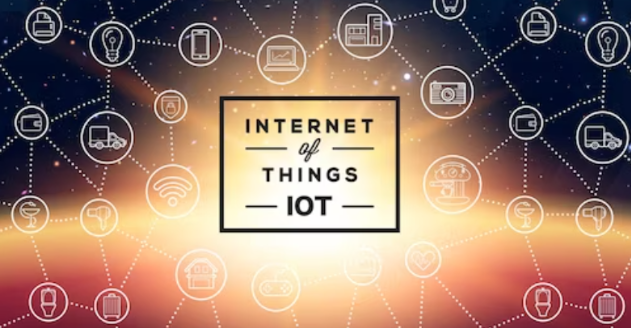
The Internet of Things (IoT) is rapidly transforming industries by providing seamless communication between devices, making everyday processes more efficient. Wireless IoT technologies have become the backbone of this transformation, enabling sectors like hospitals, hospitality, and logistics to leverage automated, data-driven solutions. Below we delve into different wireless IoT technologies and explore their benefits across various sectors.
1. Bluetooth & Bluetooth Low Energy (BLE)
Bluetooth and BLE are robust technologies enabling short-range wireless communication between devices. While Bluetooth is commonly used for streaming audio and transferring files, BLE is optimized for low-power applications, making it ideal for battery-operated IoT devices.
Benefits in Healthcare:
- Remote Patient Monitoring: Bluetooth-enabled devices allow healthcare providers to monitor patients' vital signs remotely.
- Asset Tracking: Hospitals use Bluetooth technology to track equipment, reducing the time spent locating vital tools.
Benefits in Hospitality:
- Smart Locks: Hotels use Bluetooth for keyless entry, enhancing user experience and security.
- Personalized Services: BLE can be used to offer personalized services to guests based on their preferences and location within the hotel.
2. Zigbee
Zigbee is known for creating reliable, low-power, and low-cost wireless mesh networks. It is often used in industrial settings and smart home applications due to its ability to support a large number of nodes.
Benefits in Logistics:
- Inventory Management: Zigbee helps in real-time inventory tracking, reducing errors and operational costs.
- Warehouse Automation: Automates warehouse operations, optimizing space utilization and improving efficiency.
Benefits in Healthcare:
- Medical Device Connectivity: Ensures seamless communication between medical devices, enhancing patient care.
- Energy Management: Helps hospitals in managing energy consumption efficiently, reducing operational costs.
3. LoRa (Long Range)
LoRa technology is designed for long-range, low-power communication, making it a favorable choice for rural and remote IoT applications.
Benefits in Agriculture:
- Precision Agriculture: LoRa enables farmers to monitor crop conditions and optimize agricultural practices.
- Livestock Monitoring: Helps in monitoring the health and location of livestock, preventing losses.
Benefits in Logistics:
- Fleet Management: Allows for real-time tracking of vehicles, optimizing routes and reducing operational costs.
- Supply Chain Visibility: Provides end-to-end visibility of goods, reducing losses and improving efficiency.
4. Wi-Fi
Wi-Fi, being ubiquitous and easy to deploy, is widely used for high data rate applications and where power consumption is not a critical factor.
Benefits in Hospitality:
- Guest Services: Enhances guest services by providing high-speed internet and customized services.
- Energy Management: Enables hotels to optimize energy consumption through smart lighting and heating.
Benefits in Healthcare:
- Real-Time Monitoring: Offers continuous monitoring of patients' conditions, improving healthcare outcomes.
- Data Transfer: Facilitates quick transfer of medical data, enhancing decision-making processes.
5. Cellular IoT
Cellular IoT technologies like NB-IoT and LTE-M offer wide-area, low-power solutions, allowing devices to connect directly to a 4G or 5G network without a gateway.
Benefits in Smart Cities:
- Urban Planning: Aids in monitoring urban infrastructure, optimizing city planning and management.
- Waste Management: Enhances waste collection processes by monitoring waste levels in bins in real-time.
Benefits in Logistics:
- Global Connectivity: Provides global coverage, enabling seamless tracking of assets across borders.
- Real-Time Monitoring: Ensures real-time visibility of goods, improving supply chain efficiency.
Conclusion
Wireless IoT technologies are spearheading advancements across diverse sectors, enhancing efficiency, reducing costs, and improving services. From Bluetooth in hospitality to LoRa in agriculture, each technology offers unique benefits suited to specific needs and environments. By embracing these technologies, industries can propel themselves into a future marked by enhanced connectivity and unparalleled convenience.
Call to Action:
Stay tuned to explore more about how wireless IoT technologies are reshaping industries, creating opportunities for innovation and growth. Share your thoughts on how you envision the future of wireless IoT impacting your industry!
#IoT #WirelessTechnology #SmartTechnology #LogisticsTech #TechnologyNews #WiFi
No Comments