
The Hidden Importance of DNS: A Deep Dive into Connectivity Issues
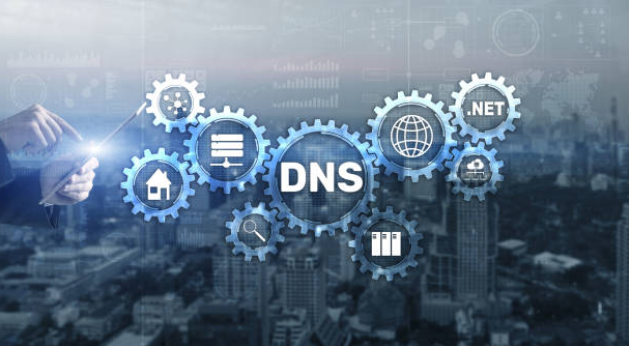
DNS, or Domain Name System, is often likened to the phonebook of the Internet. It plays a pivotal role in translating human-friendly domain names into IP addresses, letting us seamlessly navigate the web without the need to recall complicated numeric sequences. But, like any robust technology, DNS isn't immune to issues, which can often ripple into significant network challenges.
Recently, I encountered a curious case with a customer: they were grappling with persistent wireless issues, and the immediate suspicion fell on the wireless infrastructure. But, as it turned out, the real villain was the DNS. This experience accentuated the profound impact of DNS issues and their deceptive symptoms that can lead to misdiagnoses.
Symptoms of DNS Issues:
- Inability to Resolve Domain Names: When domain names can't be converted into their IP counterparts, error messages such as "DNS server not responding" or "Domain name not found" surface.
- Slow Website Loading Times: DNS glitches may not always block websites but can decelerate loading speeds.
- Inconsistent Accessibility: DNS troubles might render a website accessible on one device and unreachable on another.
- Incorrect IP Address Resolution: Sometimes, a domain could resolve to an erroneous IP, guiding users to unintended destinations.
- Increased Network Latency: An unstable DNS can amplify network latency, impacting overall speed.
Why DNS Issues Can Be a Real Problem:
- Loss of Productivity: With businesses heavily banking on the Internet, DNS disruptions can spell downtime and productivity losses.
- Reputation Damage: Consistent or elongated DNS hitches can tarnish a brand's image, eroding customer trust.
- Security Concerns: DNS loopholes are potential goldmines for hackers, paving the way for malicious attacks, including DNS spoofing or DDoS onslaughts.
- Operational Costs: Rectifying DNS hitches demands time and manpower, ratcheting up operational expenses.
- Loss of Revenue: For sectors like e-commerce, accessibility hiccups directly correlate with revenue drops.
Tips to Mitigate DNS Issues:
- Use Redundant DNS Servers: Harness the power of multiple DNS servers. If one stumbles, the others can pick up the slack.
- Regular Monitoring and Auditing: Vigilance is key. Regularly scan your DNS servers and logs to pre-empt and rectify issues.
- Stay Updated: Keep your DNS software in its prime to sidestep vulnerabilities.
- Implement DNS Security Extensions (DNSSEC): Bolster security by authenticating DNS data with DNSSEC.
- Use Reliable DNS Providers: If you're banking on external DNS services, pick a reliable name with a proven uptime record.
- Educate Your Team: A well-informed team can detect and report anomalies swiftly.
- Consider Using a DNS Cache: A local cache can retain DNS lookup data, trimming the need to connect to external servers and expediting the resolution.
- Optimize DNS Settings: Tweak settings like TTL for peak efficiency.
- Backup Regularly: Frequent backups of DNS configurations ensure a safety net in case of blips.
As my recent encounter revealed, DNS problems can masquerade as other issues, leading us down the wrong troubleshooting path. Understanding the intricacies of DNS, its potential hiccups, and their implications is crucial. By staying proactive and implementing best practices, these challenges can be adeptly navigated. It's vital always to have DNS on your radar, equipping yourself to confront any arising issues head-on.
#NetworkSolutions #WiFi6 #WirelessNetworking #NetworkSecurity #WiFi
No Comments